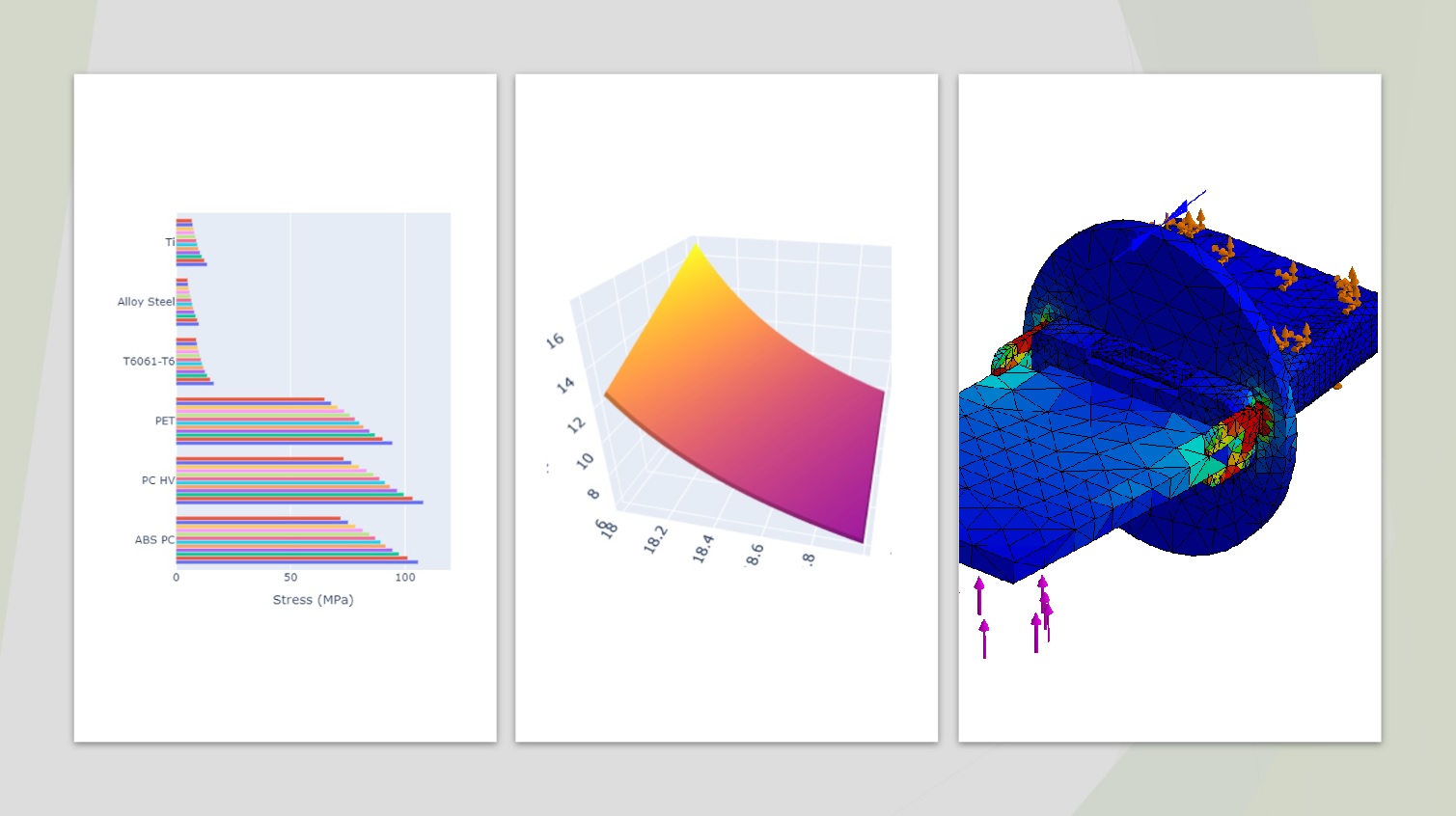
Imaging failures in the field prompted an investigation and a redesign on a component. After determining the root cause of the malfunction, I developed multiple design variations to help determine the most suitable option. Three main factors were analyzed which included material, manufacturing process, and strength. I used FEA simulations, statistical analytics, and Weibull analysis (warranty analysis) to determine the most effective design. The option chosen reduced the annual failure rate (AFR) to be below 5%.
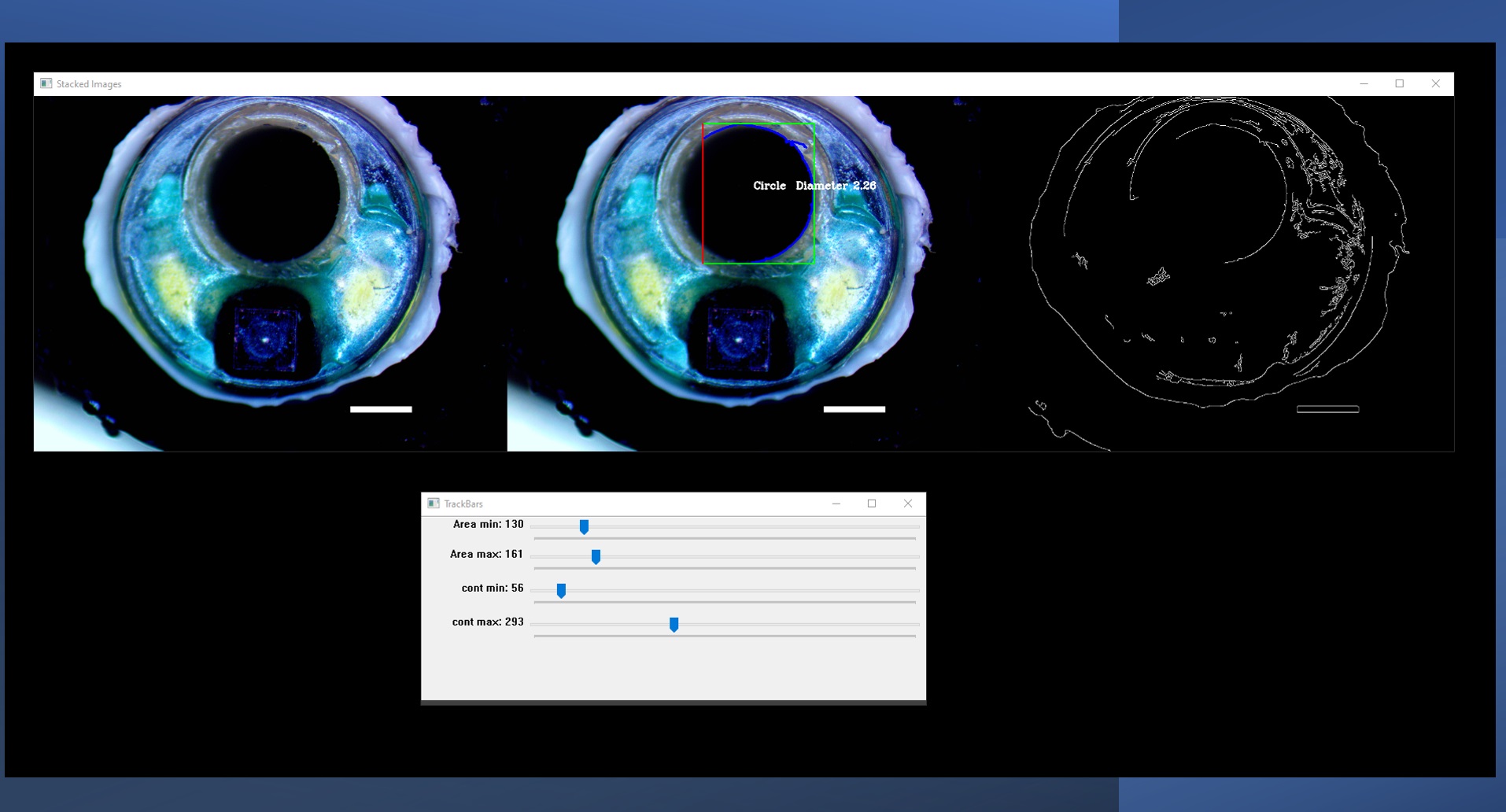
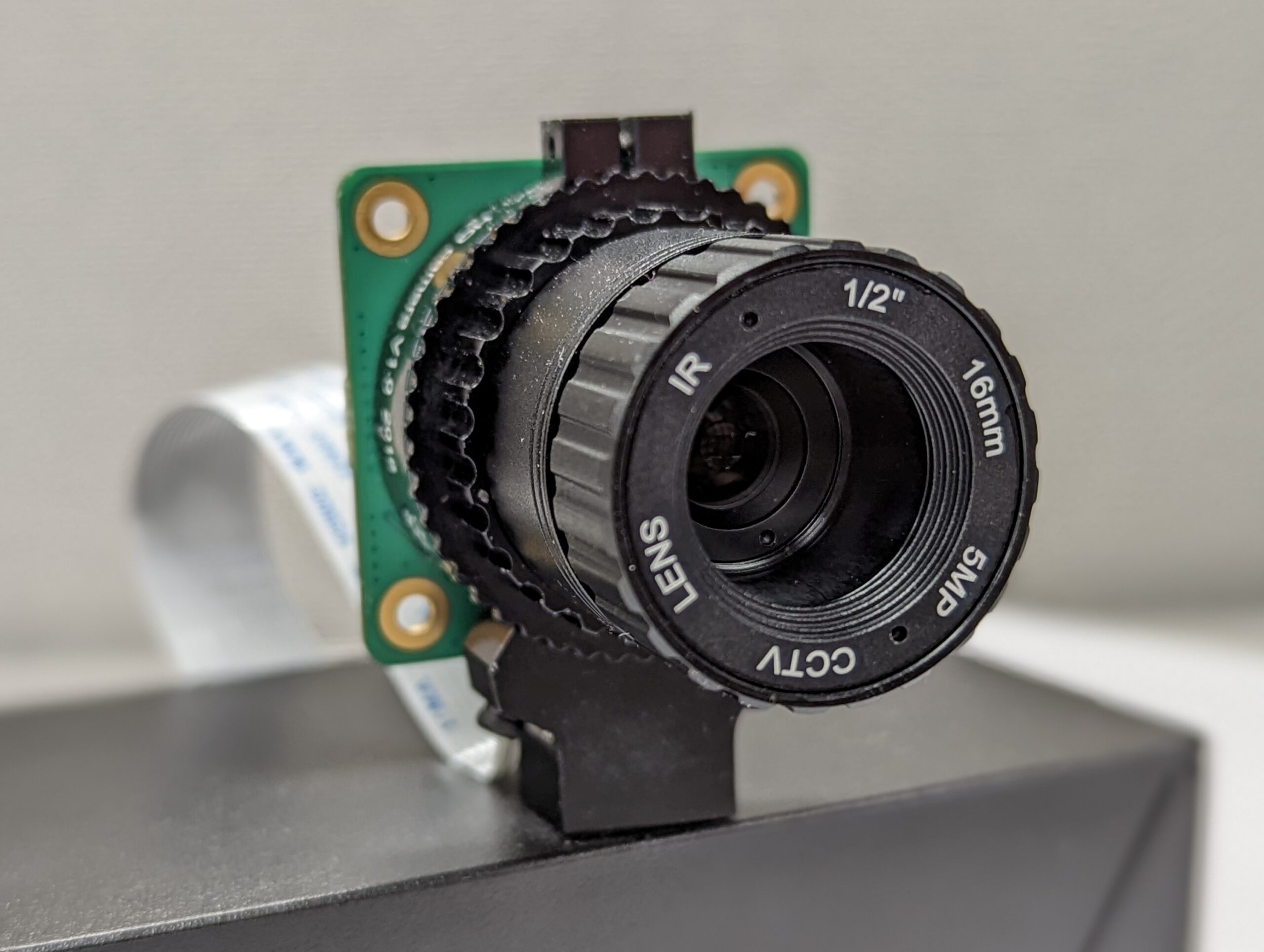
There was a need to measure the internal diameter (ID) of a sterilized ‘tube.’ However, measuring with calipers or no-go/go gauges could cause the part to become deformed, damaged, or contaminated. By implementing my computer vision programming skills, I developed a method to measure the ID of the part, within 0.05mm tolerance, without using a physical instruments to do so.
Ongoing project.
| Computer Vision |
Injection Mold Apple Tag Holder
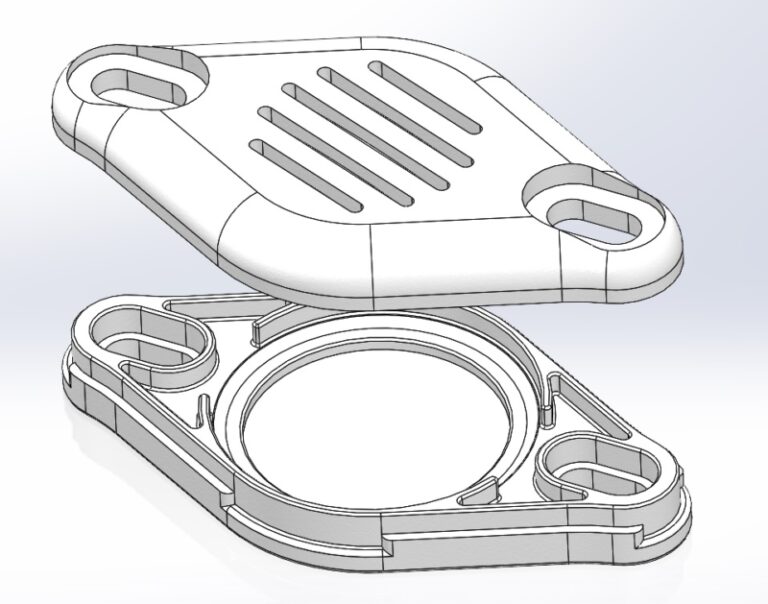
This is an example of an injection molded design which I developed. The model and drawings follow the principles and guidelines needed to make a mass-manufactured plastic part. This is used to anchor and secure an Apple AirTag to a professional camera with two button head fasteners.
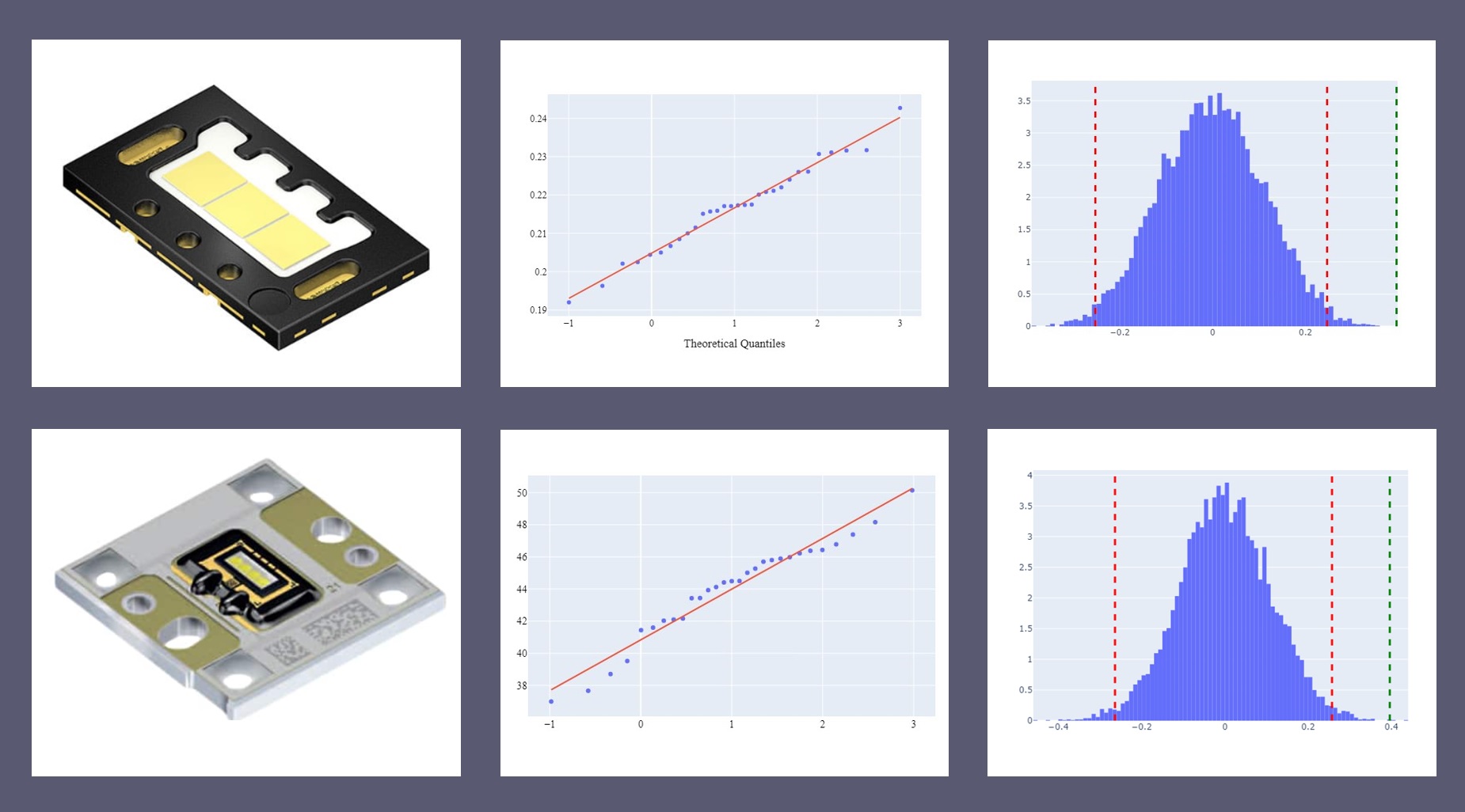
A legacy LED module for a product was nearing end-of-life and a replacement component needed to be selected. I was given the measured output data that would be used to determine and categorize the optical performance from each component. By implementing bootstrap and permutation hypothesis testing I was able to accurately predicts the output performance of 100 to 1000+ units. I created a program that collected, cleaned, and statistically compared each LED module to determine the most suitable replacement for the product. Output values were confirmed using Minitab software.
A mechanical design was required to help focus, hold, and optically measure multiple sized of tubes. This jig was to be used by the production team during the assembly process. This project is in-conjunction with theAuto-ID Measurerdescribed above.
Ongoing project.
| 3D Modeling | FEA Simulations |
| Raspberry Pi | Imaging |
Monte-Carlo Tolerancing
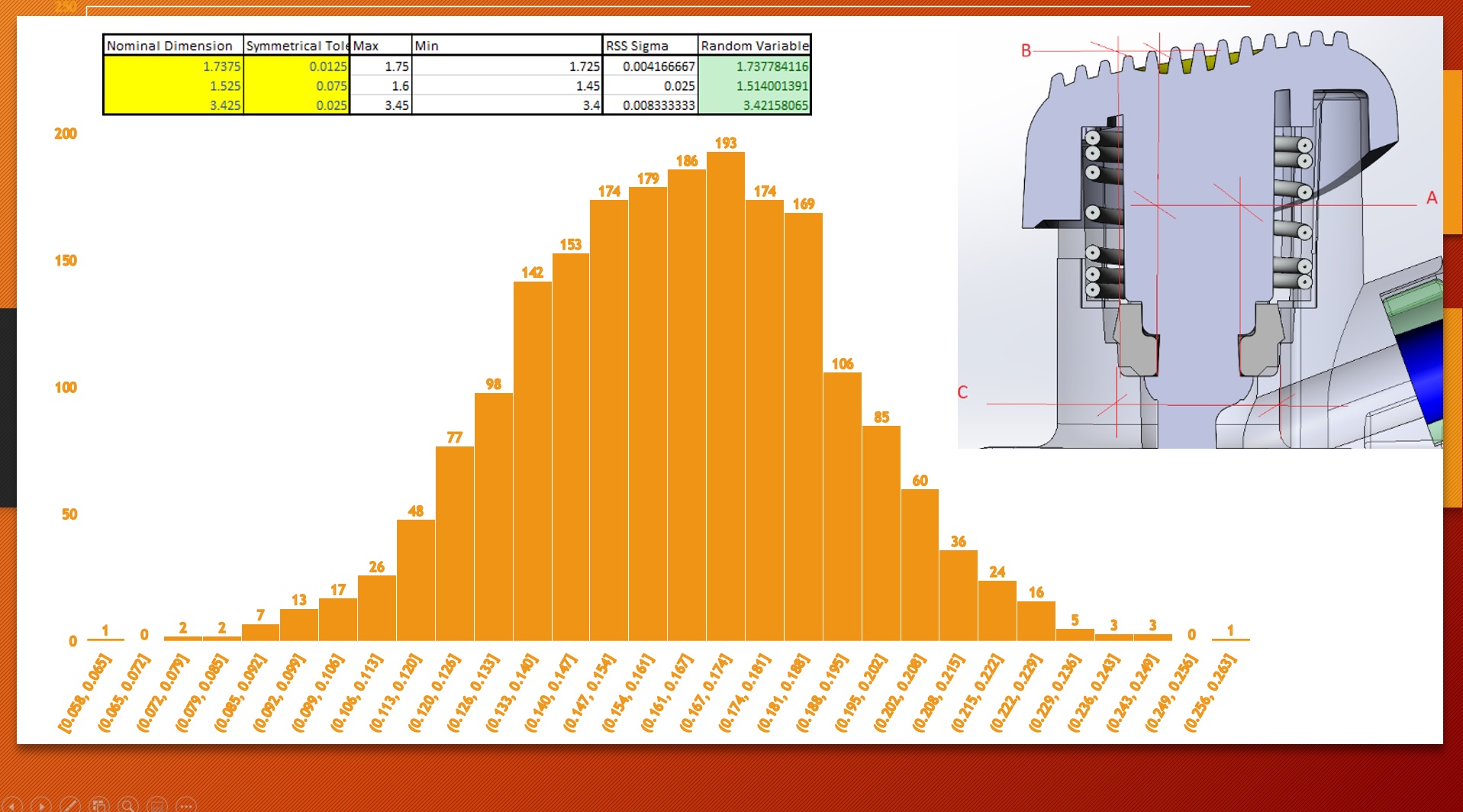
Designers were questioning whether an assembled component would fit within a constrained designed space. Using the Monte-Carlo tolerancing approach, I built a program that statistically determines the likelihood of assembling non-conforming parts if more than 1000 pieces were produced.
| Statistical Analysis |
Complaints Mapping
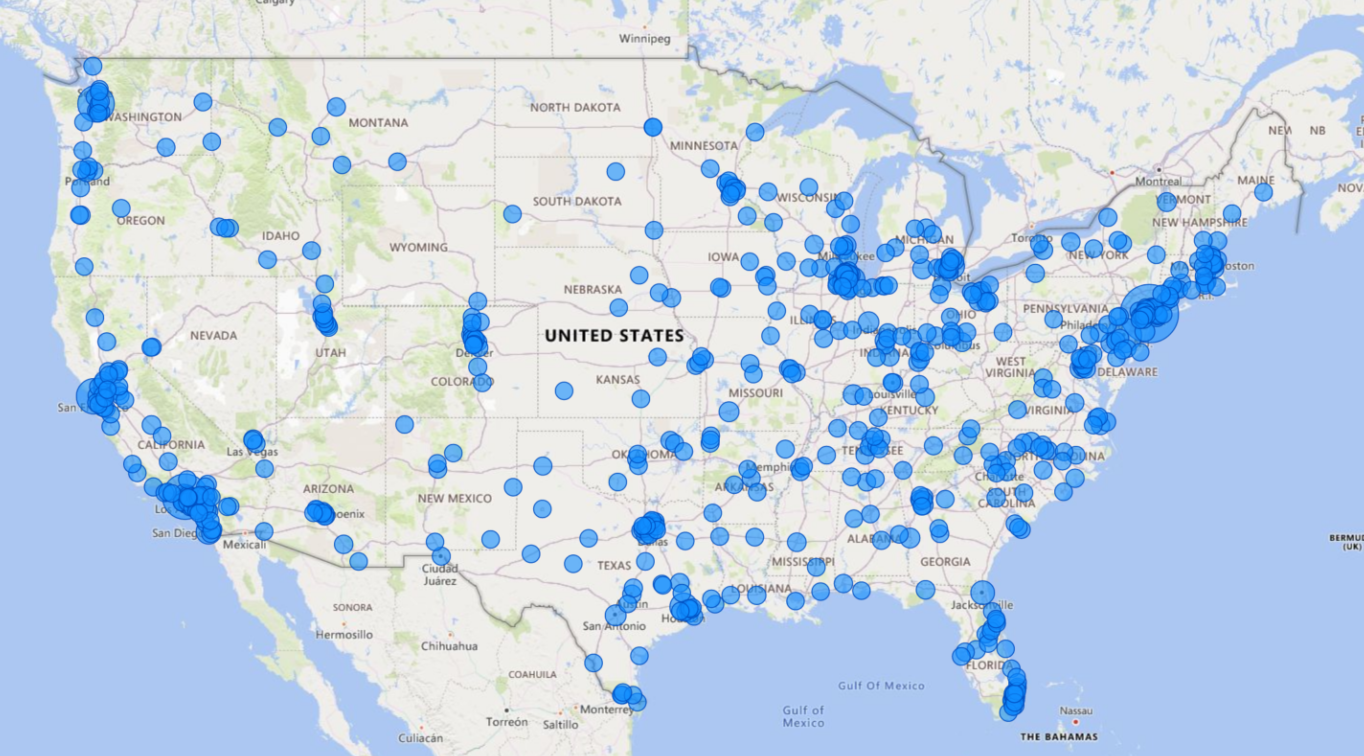
Customer complaints raised the question whether there was any correlation between the shipping distance of a product to the failures encountered in the field. This required filtering through complaints for specific descriptions, determining trends, and converting addresses to geospatial coordinates that help visualize the location of each complaint. Although there was no correlation between the distance traveled, results indicated the root cause of the problem not previously considered.
| Statistical Analysis | Mapping |
Miscellaneous Mechanical Designs
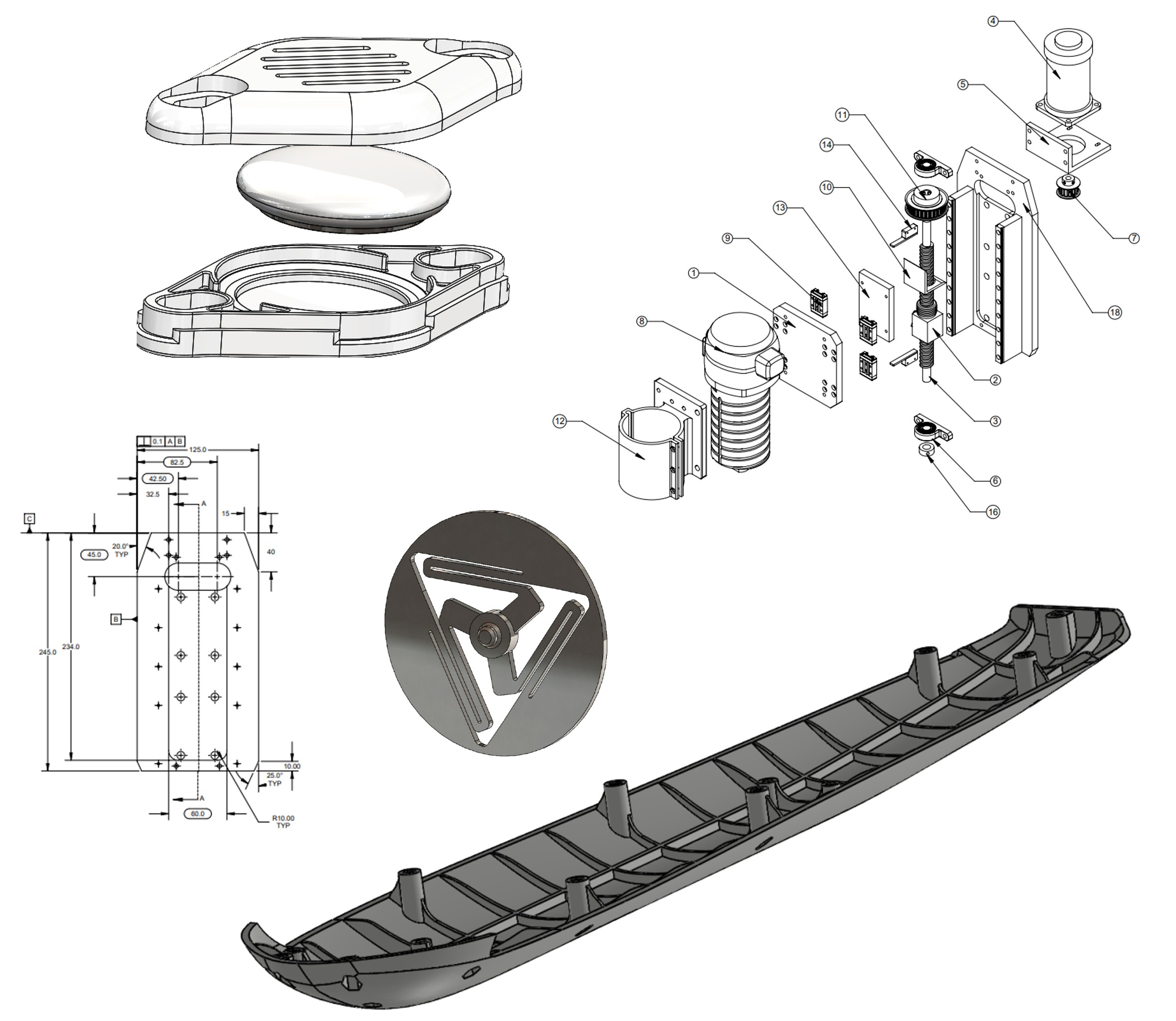
I have created various mechanical designs that were developed for injection molding, 3D printing, or water-jet processing. All have considered manufacturing constraints, DFMA principles, and the intended use within the design of the part/component.